

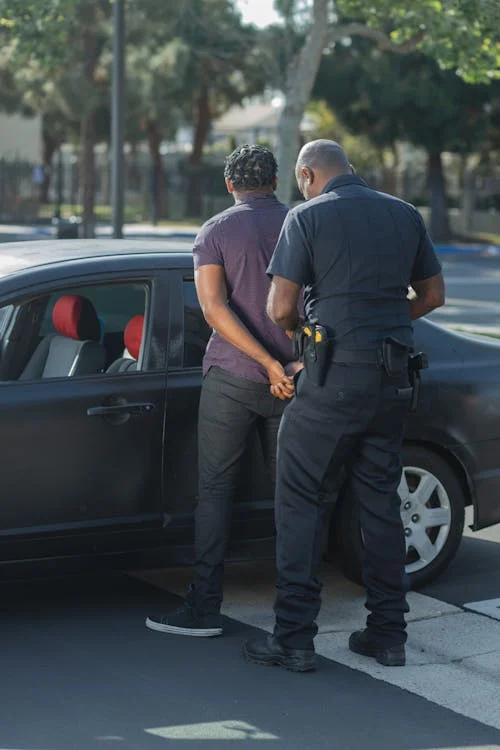
Living with the Consequences of Someone Else's Mistake
After you’re released, people expect you to just move on. But how do you move on from something that continues to affect your life every single day?
You have to explain the arrest to people. Your boss asks where you were. Your landlord sees it on your background check. Your kids ask why the police took you. Each explanation reopens the wound.
Court appearances become your new routine. You take time off work you can’t afford to lose. You sit in courtrooms waiting for your case to be called. You watch prosecutors who know the charges are weak but pursue them anyway because that’s what they do.
The financial strain builds:
- Bail money if you couldn't afford to stay locked up
- Lost wages from missed work
- Legal fees to defend yourself against false charges
- Transportation costs to and from court
- Bills piling up while you deal with this mess
The anxiety doesn’t go away. You’re constantly worried about how this will affect future job opportunities. Every time you fill out an application, you know that arrest is sitting there in the system. Even when charges get dismissed, the arrest record remains visible to anyone who looks.
Background checks become your enemy. Jobs you’re qualified for suddenly become unavailable. Housing applications get denied. Opportunities disappear because someone decided to arrest you without having legal grounds to do it.
The psychological impact is real and lasting. You might feel paranoid or hypervigilant now. Seeing police in your neighborhood triggers anxiety that wasn’t there before. You second-guess yourself constantly. You feel like you need to be extra careful about everything, even though you weren’t doing anything wrong in the first place.
You were the victim here. Not the perpetrator. But you’re the one bearing the burden of what they did. That’s not right, and you shouldn’t have to accept it.