Police Brutality Attorney Brooklyn

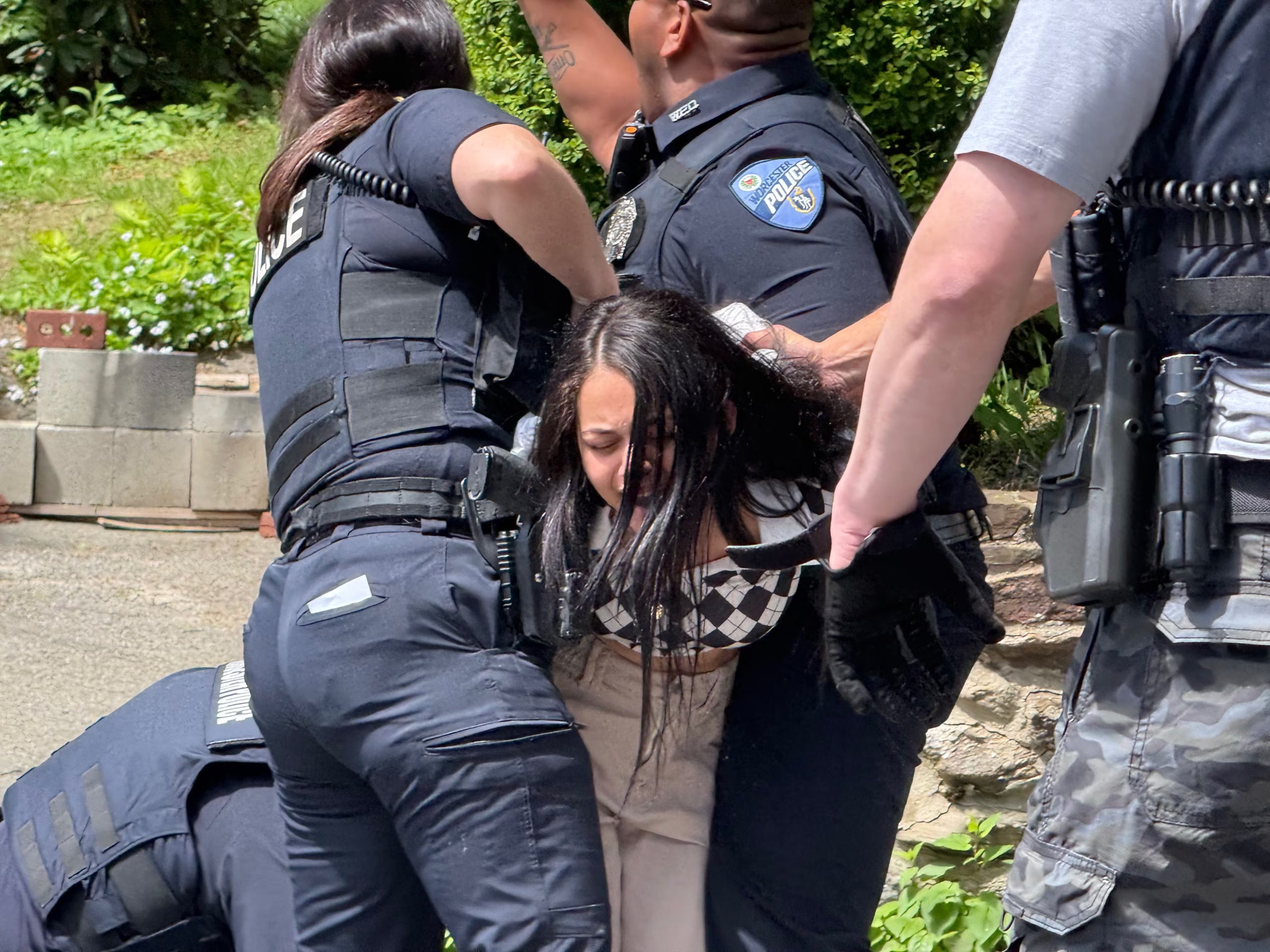
Brooklyn police officers are bound by the Constitution to use only reasonable force. When they brutalize you, punching, choking, body-slamming, or deploying weapons against you without justification, they commit a federal civil rights violation. At Lovelace Law, I hold officers accountable for excessive force and recover damages for victims of police violence.

Brooklyn Victims Who Stood Up to Police Violence

Police Violence in Brooklyn Streets

Hands around your throat. Squeezing. You can’t breathe. Your vision starts to blur at the edges.

Or maybe they body-slam you onto concrete with full officer weight behind it. The impact radiates through your entire body. Before you can process what’s happening, fists are striking your face repeatedly. Other officers hold you down so you can’t protect yourself.

Knees drive into your spine, your ribs, your neck. The pressure is unbearable.

The violence takes different forms:

  • Pepper spray burning your eyes, nose, and lungs at close range
  • Being punched in your kidneys, stomach, or groin
  • Your head slammed against a police vehicle or brick wall
  • The confusion because you didn’t do anything that warrants this violence
  • Yelling that you can’t breathe and being ignored


I’m truly sorry to hear about how the police treated you. I’m sorry they hurt you.

The primal fear that you might not survive this encounter is something no one should experience. Especially not at the hands of people sworn to protect you.

Life After Police Violence

You go to the emergency room with head trauma, broken bones, or internal injuries. The doctors and nurses see what was done to you. They document it, but that doesn’t make it hurt any less.

Some injuries require surgery. Bones need to be set. Tissue needs to be repaired. Then comes the painful rehabilitation process that spans months or years.

Medications for pain management help some, but not enough. Medications for the psychological trauma help even less.

Your entire life shifts:

You can't return to a physical job because your body won't let you

Financial devastation from medical bills and lost income hits hard

Nightmares replay the attack in perfect, terrible detail

Panic attacks trigger when you see police cars or uniforms

You withdraw from activities and places where you might encounter police

Relationships strain when you're not the same person after the attack

Visible scars force you to relive the trauma every single day. Every time you look in the mirror. Every time someone asks what happened.

I hear you. I can imagine how horrible this felt. The force used against you was not reasonable. It was a crime under federal law, and you deserve justice for it.

Fourth Amendment Standards for Use of Force

The Constitution prohibits excessive force during arrests and seizures. This protection applies to you regardless of what you were doing or what officers suspected you of.

Reasonableness is judged from the perspective of an officer on scene, not with perfect hindsight. But officers don’t get to decide what’s reasonable. Juries do.

The amount of force must match the level of resistance and threat. If you’re compliant or passive, using weapons against you is typically excessive. If you’re handcuffed, beating you is almost never reasonable.

The law is clear about certain types of force:

Let me walk you step by step through how this applies to your situation. I spent eight years as an NYPD detective, so I know what training officers receive. I know when they violate it.

Based on my experience working with the city, I know exactly how to prove officers crossed the line from lawful force to brutal assault.

What They Did to You Was Not Legal

Police have difficult jobs, but that doesn’t give them the right to brutalize people. If officers used force that was disproportionate, unnecessary, or continued after you were controlled, they violated your Fourth Amendment rights. Your injuries are evidence of their excessive force. I’ll prove the brutality, expose the officers’ misconduct, and fight for every dollar of compensation you deserve.

Evidence collection starts with immediate medical examination and injury documentation. Professional photographs at multiple angles and stages. Clinical documentation of every injury, no matter how minor it seems.

I file FOIL requests for all body camera footage from the incident. Every angle. Every officer present. The city resists these requests, but I know the law and I know how to get the footage.

Surveillance footage from businesses, buildings, and city cameras provides independent verification. I subpoena it all.

Building your case requires:

  • Tracking down eyewitnesses who saw the excessive force
  • Medical experts who explain your injuries and how they occurred
  • Use-of-force experts who testify that force was unreasonable
  • Deposing officers to lock in their stories and catch inconsistencies
  • Investigating officers' backgrounds for patterns of violence
  • Examining officers' radio communications during the incident
  • Comparing your injuries to officers' use-of-force justifications


I have experience with all the Brooklyn precincts: 60th, 61st, 62nd, 63rd, 66th, 67th, 68th, 69th, 70th, 71st, 72nd, 73rd, 75th, 76th, 77th, 78th, 79th, 81st, 83rd, 84th, 88th, 90th, and 94th. I know their patterns. I know their problem officers.

I understand what you're going through because I've seen this from both sides. Now I use that insider knowledge to fight back and hold violent officers accountable.

You deserve complete reimbursement for all medical treatment and rehabilitation. Every emergency room visit. Every surgery. Every therapy session. Every medication.

Compensation for future medical care matters too. If your injuries require ongoing treatment or caused permanent conditions, that's part of your damages.

Full compensation covers:

  • Lost earnings from time unable to work during recovery
  • Future lost income if injuries cause permanent disability
  • Pain and suffering damages proportionate to severity of injuries
  • Damages for emotional distress, PTSD, anxiety, and depression
  • Compensation for permanent scarring, disfigurement, or disability
  • Punitive damages when officers acted with deliberate indifference to your rights
  • Damages for loss of enjoyment of life when injuries prevent normal activities


Recovery is available regardless of criminal case outcome. Excessive force is a constitutional violation independent of whether you committed any crime.

Let me be clear: conviction of a crime doesn't bar excessive force damages. I've secured substantial settlements for clients who had criminal convictions. Your Fourth Amendment rights exist regardless of what you were accused of doing.

I can help you hold NYPD financially accountable for their actions. This is about getting your dignity back and making sure what happened to you doesn't happen to someone else.

Notice of Claim Required Within 90 Days

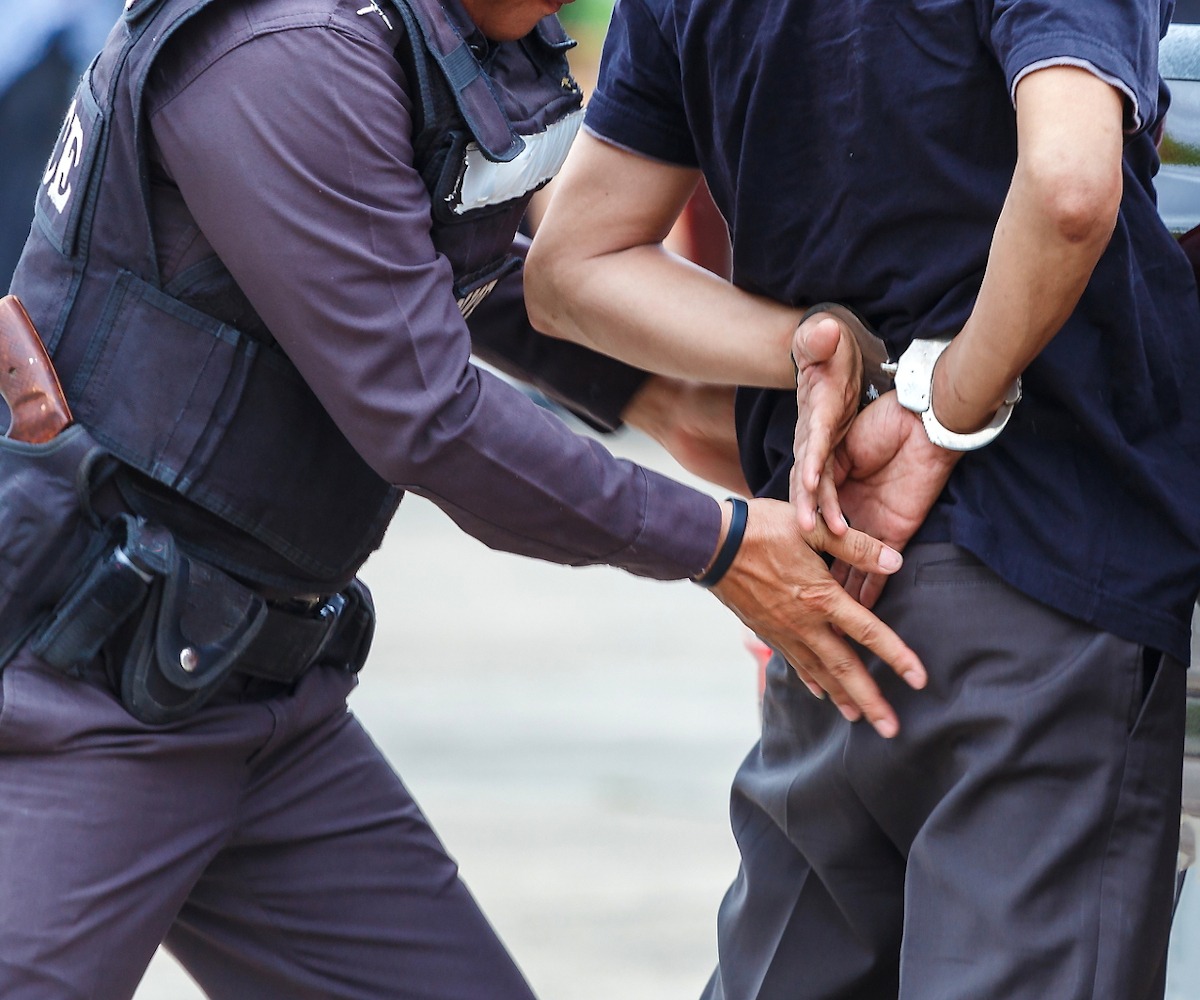
New York law mandates a Notice of Claim within 90 days of the excessive force incident. Not three months. Exactly 90 days.

The 90-day period starts on the date of brutality. Not when your injuries heal. Not when you feel emotionally ready. Not when your criminal case ends. The day officers hurt you.

This is a hard deadline. Courts have no power to extend it. No exceptions exist. Miss it, and you lose your right to sue NYC forever.

Critical timing facts:

I handle civil cases simultaneously with any criminal defense needs. Waiting to resolve criminal charges first often means losing the civil claim entirely.

Let me be honest with you: this deadline destroys more valid claims than any other factor. The city designed it that way. They count on victims not knowing about it or not acting quickly enough.

Don’t let them avoid accountability because you missed a deadline you didn’t know existed.

Call me today. Not tomorrow. Today.

Brooklyn's Fierce Advocates Against Excessive Force

I have proven success recovering significant damages in brutality cases. Not just settlements that make problems go away. Real compensation that acknowledges the harm done and holds officers accountable.

My comprehensive understanding of Fourth Amendment use-of-force law comes from legal training and from living inside the system. I know what the Constitution requires and what officers actually do.

Working with me means:

01 .

Knowledge of Brooklyn precincts and officers with violence patterns

02 .

Network of medical and law enforcement experts who testify effectively

03 .

Relentless litigation approach because I take officers to trial when necessary

04 .

Contingency fee structure so you pay no costs unless we win

05 .

Coordination of criminal defense strategy with civil rights lawsuit

06 .

Accessibility to Brooklyn communities impacted by police violence

I validate your experience and fight to prove excessive force. Your pain is real. Your trauma matters. I believe you.
I’ve spent my career building a track record of holding NYPD accountable for brutality. I know their tactics. I know their defenses. I know how to beat them.
You deserve justice, and I’m going to fight to get it for you.

Brooklyn Police Brutality Questions

No. Slight delay in compliance doesn’t justify violence. Officers must give reasonable opportunity to comply. Force must be proportionate. Immediate attack for not following orders fast enough is typically excessive. Compliance takes time, especially when people are scared or confused.
Intoxication or mental health crisis doesn’t give officers license to brutalize you. In fact, officers receive training on dealing with impaired individuals without violence. I examine whether force was reasonable given your condition. Being intoxicated makes you more vulnerable, not less deserving of protection.
Best practice is to request immediate medical attention while in police custody, so you can get real-time documentation of your injuries. Officers will often try to dissuade you from going to the hospital, by telling you that it will slow down your arrest process. Although this may be true, it’s imperative that you get documentation, because proof of your injuries is how you make your case stronger. The practice of police officers dissuading you from going to the hospital is how they cover up their misconduct.
Body camera footage often contradicts written reports. Witness testimony exposes lies. Medical evidence showing your injuries versus officers’ claims reveals truth. Inconsistencies between multiple officers’ accounts raise red flags. I’m experienced at catching officers in lies and proving they falsified reports.
Excessive force in the precinct, holding cell, or during transport is absolutely actionable. In-custody violence is often easier to prove because it occurs in a controlled environment. Lack of immediate threat makes force harder to justify. I’ve won cases based on precinct brutality.
Family members may have their own claims for emotional distress from witnessing violence against a loved one, especially if children witnessed it. Bystander emotional distress claims have specific legal requirements. I evaluate all potential claims arising from the incident, not just the direct victim’s claim.
Officer fear must be objectively reasonable, not just claimed after the fact. I examine circumstances to determine if a reasonable officer would actually fear harm. Many officers claim fear to justify unjustifiable violence. Juries decide if the fear was reasonable based on all evidence, not just the officer’s word.

Make Them Answer for What They Did

Civil rights lawsuits provide accountability and compensation. Free consultation. Contingency fee. 90-day deadline means you must call now. I fight for justice and maximum damages.