
False Arrest Attorney Queens

When Queens police arrest you without justification, it’s not just an inconvenience. It’s a violation of your fundamental rights. I stand with wrongfully arrested New Yorkers and fight to restore your freedom and reputation.

Queens Clients Who Got Justice

When a Routine Day Becomes a Nightmare

Everything was normal until it wasn’t.

You were doing something completely ordinary. Running errands in Jamaica. Heading to work in Astoria. Walking through your neighborhood in Flushing or Jackson Heights. Just another day. Then police showed up, and suddenly you’re being handcuffed.

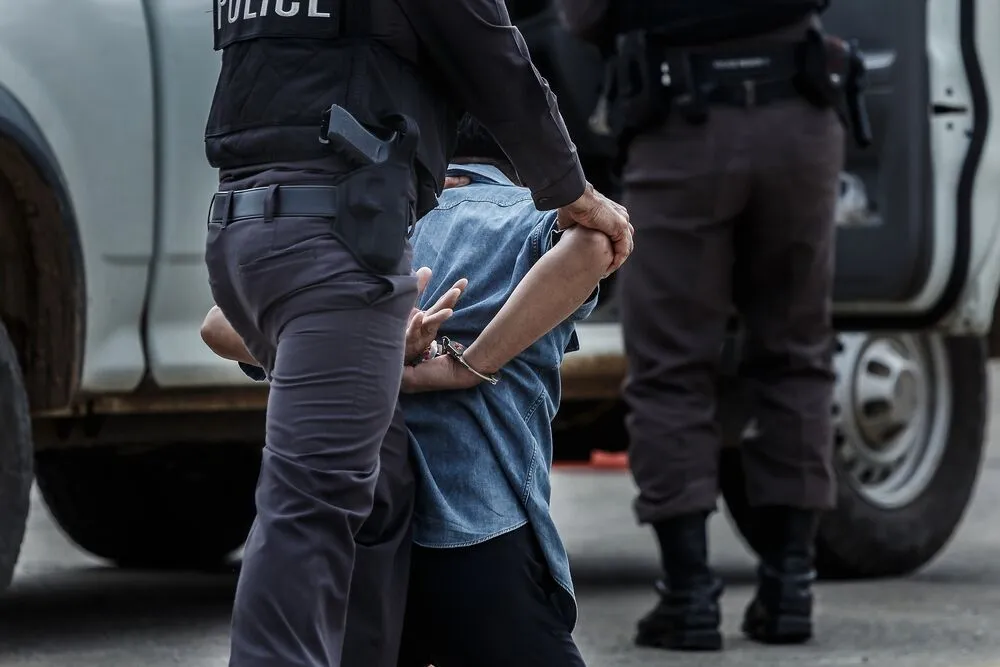
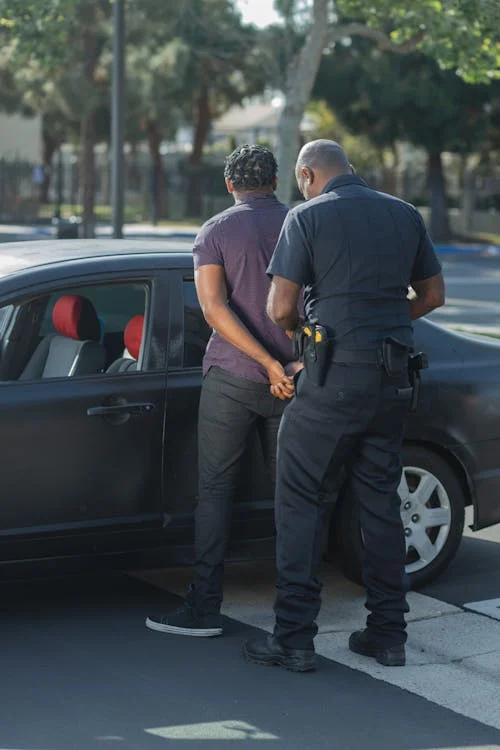
The disruption is immediate and total. Officers don’t ask questions. They make statements. You’re under arrest. You try to explain that there’s been some mistake, but they’re not interested in hearing it. They’re already pushing you toward their car.

The humiliation hits you in waves:

You get searched. Patted down or worse. Searched in ways that feel invasive and degrading. Your belongings get dumped out and gone through. Then you’re fingerprinted like a criminal. Mugshot taken. Processed through the system as if you actually did something wrong.

All of this happens fast, but it also feels like time stops. The confusion about why this is happening mixes with anger and fear. You know you didn’t commit a crime, but nobody’s listening to you.

Queens is incredibly diverse. From Bayside to Far Rockaway. From Elmhurst to Forest Hills. Arrests without justification happen everywhere, affecting people from every community. I’m sorry you’re going through this.

Living with the Consequences of Someone Else's Mistake

After you’re released, people expect you to just move on. But how do you move on from something that continues to affect your life every single day?

You have to explain the arrest to people. Your boss asks where you were. Your landlord sees it on your background check. Your kids ask why the police took you. Each explanation reopens the wound.

Court appearances become your new routine. You take time off work you can’t afford to lose. You sit in courtrooms waiting for your case to be called. You watch prosecutors who know the charges are weak but pursue them anyway because that’s what they do.
The financial strain builds:

The anxiety doesn’t go away. You’re constantly worried about how this will affect future job opportunities. Every time you fill out an application, you know that arrest is sitting there in the system. Even when charges get dismissed, the arrest record remains visible to anyone who looks.

Background checks become your enemy. Jobs you’re qualified for suddenly become unavailable. Housing applications get denied. Opportunities disappear because someone decided to arrest you without having legal grounds to do it.

The psychological impact is real and lasting. You might feel paranoid or hypervigilant now. Seeing police in your neighborhood triggers anxiety that wasn’t there before. You second-guess yourself constantly. You feel like you need to be extra careful about everything, even though you weren’t doing anything wrong in the first place.

You were the victim here. Not the perpetrator. But you’re the one bearing the burden of what they did. That’s not right, and you shouldn’t have to accept it.

Don't Let an Unlawful Arrest Define Your Future

You’ve already been through enough. Whether you spent hours or days in custody, whether charges were dropped immediately or you’re still fighting, what happened wasn’t right. I’ll examine every detail of your arrest, challenge the officers’ justification, and pursue the compensation you deserve for what you’ve been through.

Police Can't Just Arrest Anyone They Want

Your freedom is protected by the Fourth Amendment. It’s one of the most fundamental rights we have in this country. The government can’t just seize you and lock you up without meeting certain requirements.

Probable cause is the requirement. It’s the legal standard officers must meet before they can arrest you. What does it mean in practical terms? They need more than suspicion but less than proof beyond reasonable doubt. They need specific facts that would lead a reasonable person to believe you committed a crime.

Here’s what probable cause is not:

  • A general feeling that something’s not right
  • Seeing you in an area where crimes sometimes occur
  • Thinking you “looked suspicious” without explaining why
  • Matching a broad description that could fit thousands of people
  • An anonymous tip with no way to verify it
  • Being in the wrong place at the wrong time


Examples matter here. If an officer sees you punch someone, that’s probable cause to arrest you for assault. If an officer finds you standing near a car with a broken window and you’re holding a crowbar, that might be probable cause for burglary. But if an officer just sees you walking down the street and decides you “look like” someone who might commit crimes, that’s not probable cause. That’s profiling.
Warrants have their own rules. A valid arrest warrant must specifically identify you and describe the crime you allegedly committed. It must be based on a sworn statement of probable cause. An officer can’t arrest you on a warrant meant for someone else just because you happen to be nearby.

There’s an important distinction between lawful investigation and unlawful arrest. Police can approach you and ask questions. You don’t have to answer, but they can ask. That’s not an arrest. An arrest happens when a reasonable person in your position wouldn’t feel free to leave. When officers physically restrain you, put you in handcuffs, or take you into custody, that’s an arrest. And for that, they need probable cause.

Your rights don’t change based on where you live in Queens or what you look like. Rich or poor, citizen or immigrant, Black or white or brown or Asian. Everyone has the same constitutional protection against unlawful arrests. Section 1983 provides a federal remedy for civil rights violations. New York State law provides additional protections. These laws exist to give you recourse when officers violate your rights.

Proving Your Arrest Was Unlawful

Building a strong case requires immediate action. Evidence doesn’t last forever, and the city knows this. They’re counting on you waiting too long to do anything about it.

I begin investigating the moment you hire me. First priority is securing evidence before it disappears. Body camera videos, surveillance footage, witness memories. All of it has an expiration date.

I file Freedom of Information Law (FOIL) requests right away. These requests force the city to turn over:

The police paperwork often tells a story that doesn't match reality. Officers write reports to justify their actions, even when those actions weren't justified. I know how to read these reports critically because I used to write them myself. I know the language officers use to paper over constitutional violations.

Witness interviews are crucial. Police tend to only document witnesses who support their narrative. I find everyone who saw what happened and get their statements. Independent witnesses who have no stake in the outcome are often the most credible sources of what actually occurred.

Then comes the legal analysis. Did probable cause exist at the moment of arrest? Not in hindsight, but right then based on what the officers knew. This is where my experience as an NYPD detective makes a real difference. I understand what courts require and what officers are trained to do. I can identify when there's a gap between the two.

Depositions are where I challenge officers directly. I ask specific questions about their observations, their training, their decision-making. I compare what they say in their deposition to what they wrote in their report to what the video shows. When their stories don't line up, that helps your case significantly.

I also consult with experts when appropriate. Former law enforcement officers who can testify about proper procedures. Use of force experts if you were injured. Medical professionals if you suffered physical or psychological harm.

I handle cases from Queens precincts including:

  • 104th Precinct (Ridgewood, Glendale, Middle Village)
  • 105th Precinct (Queens Village, Cambria Heights)
  • 108th Precinct (Long Island City, Sunnyside)
  • 109th Precinct (Flushing, Whitestone)
  • 110th Precinct (Elmhurst, Corona)
  • 111th Precinct (Bayside, Douglaston)
  • 112th Precinct (Forest Hills, Rego Park)
  • 113th Precinct (Jamaica, Hollis)
  • 114th Precinct (Astoria, Long Island City)
  • 115th Precinct (Jackson Heights, East Elmhurst)
I litigate in Queens Supreme Court and in federal court in the Eastern District of New York. I understand local procedures and know how these cases are received in Queens courtrooms.

Compensation for What Was Taken from You

Money doesn’t fix trauma. I understand that. But financial compensation serves important purposes. It holds the city accountable. It acknowledges what you went through. And it helps you recover from the practical damage the arrest caused.

You can recover for the detention itself. Every minute you spent in custody without probable cause has value. The law recognizes that losing your freedom, even temporarily, is a serious harm that deserves compensation.

Economic damages cover your financial losses:

  • Income you lost while detained
  • Wages lost from court appearances
  • Job opportunities that disappeared because of your record
  • Business revenue you couldn’t earn
  • Bail money you had to post
  • Legal fees for your criminal defense
  • Any other out-of-pocket costs directly caused by the arrest

Non-economic damages address the intangible harm:

  • Emotional distress and psychological trauma
  • Humiliation and embarrassment
  • Anxiety and fear
  • Loss of dignity
  • Damage to your reputation
  • Pain and suffering if force was used

Punitive damages are available when officers acted with malice or showed reckless disregard for your rights. These aren’t about compensating you. They’re about punishing the wrongdoing and deterring future violations. When officers plant evidence, lie in reports, or arrest you as retaliation, punitive damages send a message that this behavior is unacceptable.

Case value varies significantly based on the specific facts. How long were you detained? A few hours versus a few days makes a difference. What were the conditions? Were you injured? What harm did the arrest cause to your employment, housing, or relationships? How strong is the evidence that the arrest was unlawful?

I can’t give you a number without reviewing your case. But I can tell you that even brief unlawful detentions can result in substantial compensation. The violation of your constitutional rights matters, regardless of whether you suffered physical injury.

The clock starts ticking the day you’re arrested.

New York’s Notice of Claim requirement is unforgiving. You have exactly 90 days from your arrest to file a Notice of Claim against the city. Not 91 days. Not three months and a week. Ninety days.

This deadline doesn’t care about your circumstances. It doesn’t matter if you were dealing with the criminal case. It doesn’t matter if you didn’t know about the requirement. It doesn’t matter if you couldn’t find a lawyer right away. Miss the deadline, and the court will dismiss your case. No exceptions in almost all situations.

I’ve seen strong cases lost because of this deadline. People who were clearly victims of false arrest, who had excellent evidence, who deserved compensation. But they didn’t file the Notice of Claim in time, so they got nothing. That’s how strict this requirement is.

The deadline is calculated from the date of arrest, not from:

  • When you were released from custody
  • When charges were dismissed
  • When you were acquitted
  • When you found out you could sue
  • When you hired an attorney


Beyond the Notice of Claim deadline, evidence deteriorates rapidly. Body camera footage gets deleted after retention periods expire. The NYPD’s policy is typically 30 to 90 days depending on the type of incident. If you don’t request it before it’s deleted, it’s gone forever.

Surveillance video from businesses gets recorded over. Most systems only keep footage for a few weeks before overwriting it. Street cameras might have slightly longer retention, but not by much.

Witness memories fade. Details get fuzzy. People move. Phone numbers change. The longer you wait, the harder it becomes to track down witnesses and get accurate statements.

Officers also have time to coordinate their stories. They talk to each other. They review their reports. They get their narratives aligned. The sooner you have an attorney challenging their version of events, the less opportunity they have to smooth over inconsistencies.

I handle all the legal requirements and deadlines. You focus on recovering from what happened. I make sure nothing falls through the cracks.

Queens is unique. It’s one of the most diverse places in the entire world, with people from countless countries and backgrounds living together. I understand these communities and respect their different experiences with law enforcement.

I have experience holding NYPD accountable in Queens cases specifically. I know the local courts, the local precincts, and how these cases play out in this borough.

When you meet with me, you’re not just another case number. I treat you with respect and dignity. I believe you when you tell me what happened. I don’t judge your situation or make assumptions based on stereotypes.

What you can expect from me:

  • Accessibility (I come to you if it’s easier than you coming to me)
  • Clear communication without legal jargon
  • Regular updates about your case
  • Honest assessment of your situation
  • Thorough preparation for all aspects of the case
  • Representation in both state and federal court
  • Trial experience when settlement isn’t adequate


No case is too small. Every unlawful arrest matters. Whether you were held for three hours or three days, whether you suffered physical injuries or “just” emotional trauma, your rights matter and I take your case seriously.

I work on contingency. That means you pay nothing unless I win your case. No upfront fees. No hourly billing. I invest in your case because I believe in holding NYPD accountable for constitutional violations. You only pay if I recover compensation for you.

Common Questions About False Arrest in Queens

Vague descriptions aren’t probable cause. Officers need specific, detailed facts that distinguish you from others. “Black male in his 20s” describes thousands of people in Queens. I challenge these justifications by showing the description was too general to support an arrest.
Yes. Even brief unlawful detention violates your Fourth Amendment rights. Duration affects compensation amount but doesn’t determine whether a violation occurred. I’ve handled successful cases involving detentions of just a few hours.
This is complicated. If the initial arrest wasn’t lawful, you may have had a right to resist. But resisting arrest charges are often used to justify unlawful arrests after the fact. I need to review the specific circumstances to advise you properly.
Yes. Criminal defense and civil rights claims are completely separate. Your criminal attorney focuses on defending the charges. A civil rights attorney pursues compensation for the violation. These require different skills and strategies. You need both.
Officers lying is more common than people realize. I expose false statements by comparing their testimony to video evidence, physical evidence, and witness statements. Inconsistencies damage their credibility and strengthen your case significantly.
Maybe. Guilty pleas complicate civil rights claims but don’t always prevent them. It depends on what you pleaded guilty to, what the plea agreement said, and whether the plea was coerced. This requires detailed legal analysis of your specific situation.

Your Rights Don't End When the Handcuffs Come Off

Unlawful arrest is a serious civil rights violation. You don’t have to accept what happened as inevitable. Free consultation. Contingency fee. Queens cases specifically.